How to Clean Pool Surrounds Without Harming Nearby Plants
Pool surrounds in Maroochydore work hard. Sunshine Coast humidity, salt-laden coastal air, summer storms and year-round growth all contribute to algae, mould, dirt and stains on pavers, tiles, decking and coping. Cleaning these surfaces matters for appearance and safety, but the products and methods used can easily damage the gardens, hedges and lawns that frame a pool. This guide explains how to clean effectively while protecting your plants.
Why Pool Surround Cleaning Can Harm Plants
Most plant damage during outdoor cleaning comes from three sources: chemical runoff, high-pressure water and physical disturbance. Understanding each helps you choose https://tysongbos871.scriblorax.com/posts/are-eco-friendly-pressure-cleaning-products-worth-it safer methods.
Chemical Runoff
Products such as chlorine bleach, hydrochloric (muriatic) acid, strong degreasers and some mould removers can burn foliage, alter soil pH and kill beneficial soil organisms. Sodium hypochlorite, the active ingredient in many mould treatments, can scorch leaves on contact and damage roots when it soaks into garden beds. Acid-based cleaners lower soil pH, which can stress plants that prefer neutral or slightly acidic conditions.

Pool Water and Salt
Saltwater and chlorinated pool water splashed or drained onto garden beds can build up in soil over time. Many Queensland natives tolerate some salt, but ornamental plants, lawns and tropical species often show leaf burn, yellowing tips and stunted growth when exposed repeatedly.
Pressure Washing Damage
High-pressure water can strip bark, tear leaves, expose roots and blast mulch and soil out of garden beds. It can also push contaminated water and debris into planting areas.
Prepare the Area Before You Clean
Good preparation prevents most problems. Spend a few minutes protecting the garden before any cleaning product comes out.

- Pre-wet nearby plants and soil. Saturated soil absorbs less runoff, and wet foliage dilutes any splashes that land on it.
- Cover sensitive plants. Use breathable drop cloths or old sheets for small shrubs and groundcovers. Avoid plastic sheeting in direct sun, as it traps heat and can cook foliage.
- Create barriers. Lay down a temporary edge using sandbags, rolled towels or garden edging to direct runoff away from beds and towards a suitable drain.
- Move potted plants. Relocate pots well away from the work zone.
- Check the weather. Avoid cleaning just before heavy rain, which can wash residue into garden beds, and avoid the hottest part of the day, when products dry too quickly and leaf burn risk increases.
- Sweep first. Remove leaves, frangipani and palm debris, and loose dirt so you need less water and fewer chemicals.
Plant-Safe Cleaning Methods
Start With Mechanical Cleaning
Stiff-bristled brooms and deck brushes remove a surprising amount of surface grime, moss and loose algae without any chemicals. Work in sections and rinse gently with a hose. For textured pavers and concrete, a hard brush with plain water often handles light, recent build-up.
Use Low-Impact Cleaning Solutions
When brushing alone is not enough, choose gentler products:
- Oxygen-based cleaners (sodium percarbonate): These break down into oxygen, water and soda ash, making them a popular option for algae, mould and organic stains. They are generally gentler on plants than chlorine bleach, though concentrated solution can still irritate foliage, so dilute as directed and rinse well.
- Biodegradable pool deck cleaners: Look for products labelled as biodegradable, phosphate-free and suitable for use near gardens, and always follow the label.
- White vinegar solution: A diluted mix can help with light mineral deposits and mild mould. Be careful, as vinegar is a non-selective acid that can damage leaves and grass if it contacts them directly, and it can etch natural stone and some tiles.
- Mild dish detergent and warm water: Suitable for light everyday dirt, sunscreen residue and body oils on tiles and coping.
Always test any product on a small, inconspicuous area first. Natural stone such as travertine, limestone and sandstone is sensitive to acids and can be damaged by the wrong product, regardless of plant considerations.
Apply Products Carefully
Use a low-pressure sprayer, watering can or brush to apply cleaner only to the surface being treated, not as a broad spray. Keep the nozzle low to the ground to limit overspray and wind drift. Allow the recommended contact time, scrub, then rinse.
Pressure Washing Safely
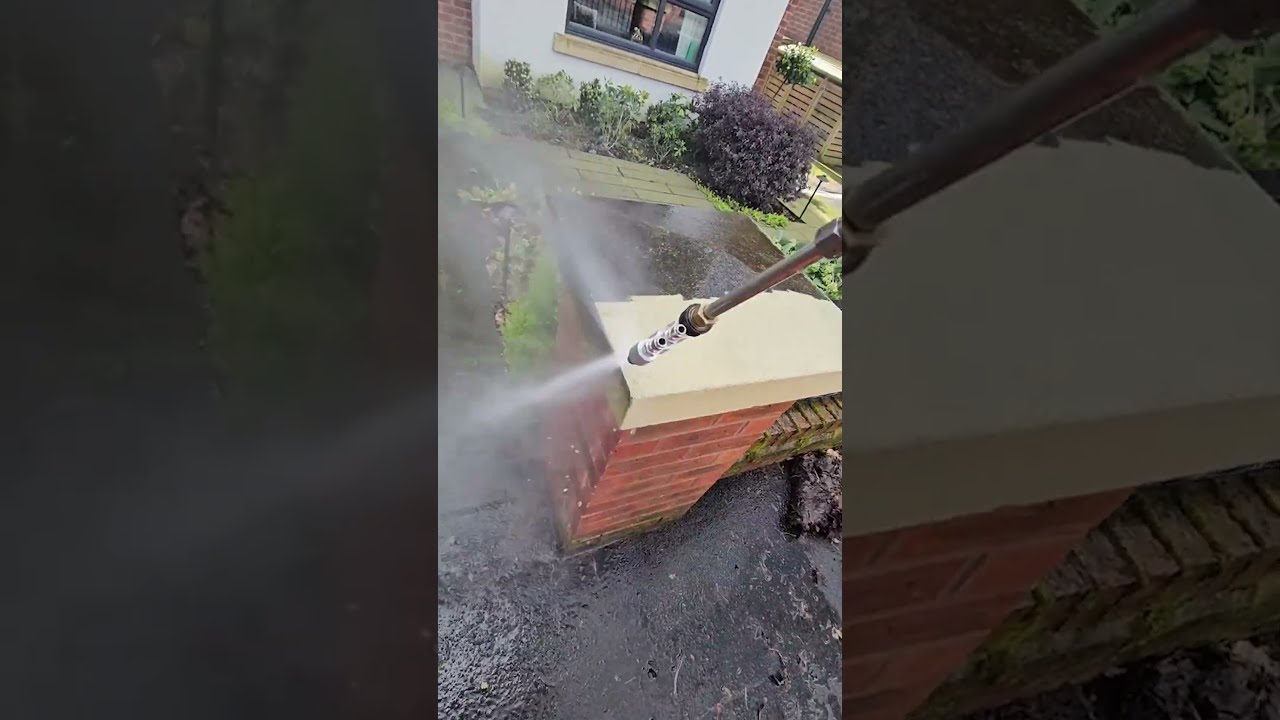
If you use a pressure washer, choose a wide fan tip and keep the spray directed along the surface and away from garden beds. Hold the lance at an angle so water and debris travel away from plants. Moderate pressure is usually enough for pavers and concrete, and excessive pressure can erode paver joints and sand, roughen surfaces and make them more prone to future algae growth.
Managing Rinse Water and Runoff
Rinsing is just as important as cleaning. Direct the first rinse water away from garden beds and towards a lawn area, stormwater grate or other suitable drainage point only where permitted. Local rules about what can enter the stormwater system apply in Queensland, and stormwater drains ultimately lead to waterways, so cleaning products and heavily soiled water should not be sent there. Sunshine Coast Council provides guidance on keeping pollutants out of stormwater, and it is worth checking current requirements before cleaning with chemicals.
After cleaning, gently rinse nearby plants and the top layer of garden soil with fresh water to dilute any accidental splashes. Doing this soon after treatment greatly reduces the chance of leaf burn or root stress.
Plant Choices and Layout Around Pools in Maroochydore
Long-term planning makes cleaning easier. Hardy, salt-tolerant and low-litter plants suit the coastal climate and cope better with occasional splashes. Consider species that do not drop large amounts of fruit, flowers or sticky sap into the pool area, as these create stains and algae-feeding debris.
- Leave a clear gap, ideally 30 to 50 centimetres or more, between plants and pool edges so you can clean without touching foliage.
- Use mulch or raised garden edging to keep soil and bark from washing onto paving.
- Choose plants with non-invasive root systems to avoid lifting pavers or damaging pool shells.
- Group plants with similar water and salt tolerance together.
Preventing Build-Up So You Clean Less Often
Regular, light maintenance reduces the need for stronger products. Sweep the surround weekly, hose off salt and sunscreen residue, and clean up leaf litter promptly. Fix drainage issues that leave puddles on paving, since standing water encourages mould and algae. In Maroochydore's humid conditions, shaded and south-facing areas stay damp longer and typically need more frequent attention. Sealing porous pavers, where appropriate for the material, can also make future cleaning easier by reducing absorption of dirt and stains.
When to Call a Professional
Heavy algae growth, deep-set stains, large paved areas, delicate natural stone or surrounds with dense, valuable plantings can be difficult to clean safely as a DIY project. Professional cleaners use controlled equipment, appropriate products and surface-specific techniques, and they know how to contain wastewater and protect gardens. If you are unsure about a product or method, ask for advice before starting, as a mistake can harm plants, stain stone or damage the surface itself.
Key Takeaways
Cleaning pool surrounds without harming plants comes down to preparation, gentle products, controlled application and thorough rinsing. Start with brushing and low-impact cleaners, protect and pre-wet vegetation, direct runoff away from garden beds, and keep up regular maintenance so heavy cleaning is rarely needed. With the right approach, Maroochydore pool owners can keep their surrounds clean, safe and attractive while their gardens continue to thrive in 2026 and beyond.
Maroochydore Pressure Cleaning